
Why IRL Media Makes Its Mark: Robert Dunbar Steps into the President’s Club Spotlight
June 1, 2026
We’re lucky at OUTFRONT to be staffed by some of the steadiest hands in advertising – account executives who are experts in bringing brands to life where it matters most: in the real world.
Today we’re firing up the spotlight once again; shining it on another one of our President’s Club 2026 honorees: Robert Dunbar, a Minneapolis-based Senior Account Executive who’s been with OUTFRONT for over 12 years.

Thanks for joining us, Robert! Tell us a little about yourself.
I’m based in Minneapolis and get to work with big national advertisers across all OUTFRONT markets, while also staying closely connected to my local clients here at home. Over the years, I’ve had the chance to collaborate with a wide range of brands and strategies across the country, which has given me a ton of experience and perspective and honestly, it’s one of the things I enjoy most about what I do.
What was the most impactful campaign you worked on last year? Walk us through it.
.jpg)
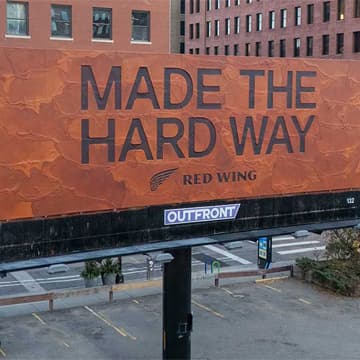
Red Wing’s “Built the Hard Way” campaign was designed to connect authentically with tradesmen and tradeswomen by celebrating craftsmanship and hard work. We brought the concept to life in downtown Minneapolis with billboards incorporating real wood and leather materials directly into the boards to reflect their core identity.
When a commuter walking through downtown Minneapolis on their way to work passes Red Wing’s billboard, it becomes something they experience in the moment, not just something they scroll past. They can see the texture, scale, and craftsmanship up close, and it lives in the same physical space as their day.The IRL execution was paired with social video content to amplify reach and engagement, cohesively bridging physical presence with digital storytelling.
What is it about IRL advertising that sets it apart from other mediums?
IRL advertising connects brands with people in a way that feels more natural because it shows up in the real environments where consumers are already spending their time. Instead of competing for attention in crowded feeds or interrupting someone’s experience, these ads become part of a person’s daily routine, whether they’re commuting, exploring a city, or going about their day.
That kind of presence tends to feel less intrusive and more memorable, which is why people often notice and recall it more easily. It also creates a stronger sense of authenticity. As a result, the experience feels less like advertising and more like something they encountered organically.
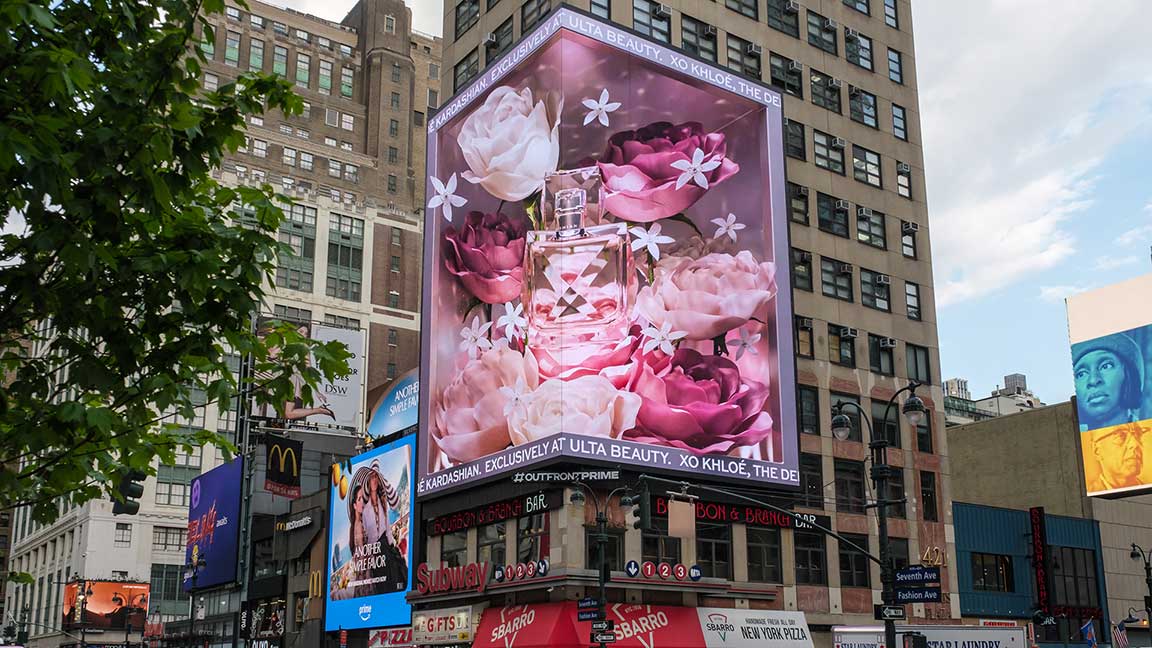
That’s very different from a social ad or a TV commercial, where the message is competing with dozens of other distractions and can be skipped, blocked, or muted.
In real life, that ad becomes something they experience in the moment, rather than something they scroll past or something that interrupts them, so the impression tends to feel more natural and less forced. It’s tied to a real place, a real moment, and often a real emotion, rather than just another piece of content in their feed.
To you, what’s the difference between an out of home ad campaign and an IRL brand experience?
Out of home advertising is about showing up in the real world and putting your brand in front of people at scale. It’s you placing something in someone’s daily environment, on their commute, in the city, wherever they move and making sure you’re seen. That visibility and repetition is what builds familiarity and keeps a brand top of mind over time. It’s how you earn presence in the world and create that baseline awareness.
An IRL brand experience builds on that. Instead of people just passing by something, they’re stepping into it, engaging in it, and spending time with the brand. It’s still happening in the same physical world, but the difference is the depth of interaction.
With an IRL experience, people are stopping, interacting, and having a moment that feels a little more personal.
Another way to frame it is out of home media creates reach and visibility while IRL brand experiences create connection and memory.
What excites you most right now in advertising?
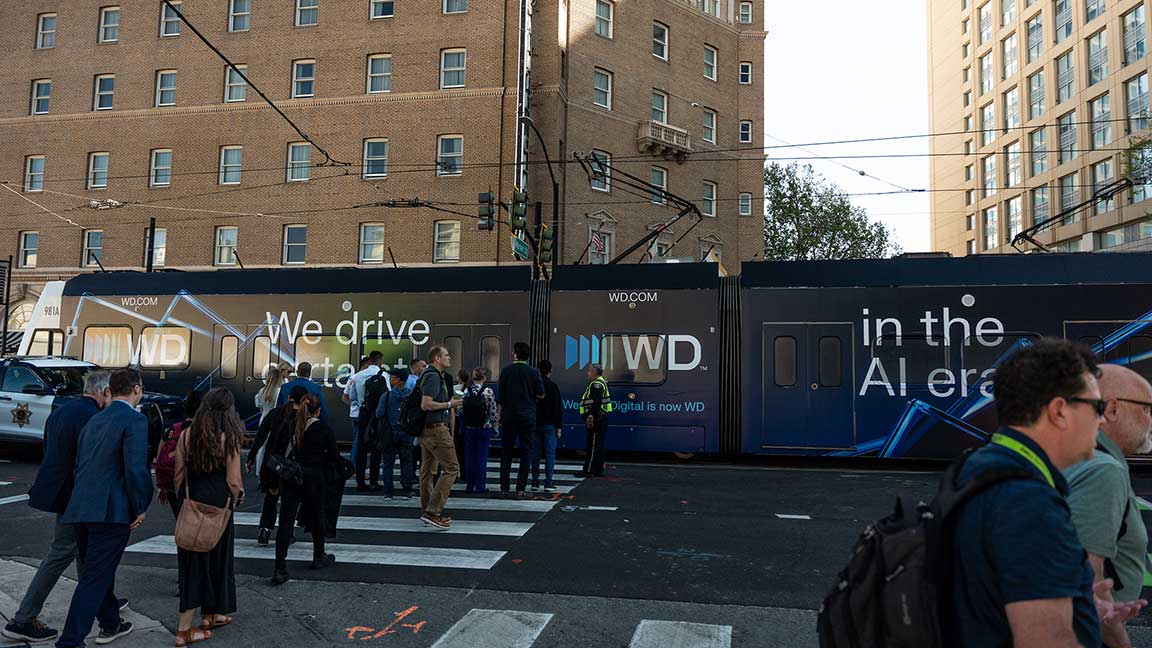
What excites me most about IRL advertising is the opportunity to create something that people don’t just see but experience. I enjoy the idea that a campaign can live outside of a screen and become part of someone’s day, whether they’re commuting, walking through a neighborhood, or exploring a city.
There’s something powerful about building work that feels tangible and connected to a real place, where it can surprise people, spark curiosity, or make them stop for a moment. I’m especially drawn to the challenge of finding creative ways to bring a brand to life in a way that feels authentic and memorable and then extending that impact beyond the physical space whether that’s through social, word of mouth, or how it sticks with someone long after they’ve seen it.
What’s your advice for brands thinking about using AI in their ad creative?
Be careful not to let the technology replace the thinking behind the work. AI can absolutely help with speed and execution. It can generate ideas, mock things up, and make the process more efficient, but it shouldn’t be the thing defining the idea itself. When brands lean too heavily on it, the work can start to feel generic, overly polished, and ultimately forgettable because it’s built from patterns instead of original thinking.
The strongest creative still comes from people, especially art directors and creative teams who understand how to take a strategy and turn it into something with a real point of view. That comes from conversations, from pushing ideas back and forth, and from challenging whether something feels right for the brand. That kind of judgment, taste, and understanding of culture isn’t something AI can replicate.
There’s also a real risk that brands lose what makes them distinctive if they rely too much on AI. When everyone is using the same tools and inputs, you start to see a lot of sameness, and that goes against the whole point of building a brand in the first place.
What’s a “rookie mistake” you see first-time IRL advertisers make?
There’s a tendency to expect a billboard or an activation to carry the full message, drive the action, and tell the whole story so they try to pack everything into it or judge it in isolation.
But IRL media isn’t built for that. It’s meant to create the initial impact of the moment that makes someone notice, remember, or feel something and then push that attention into other channels where the deeper engagement happens. When brands forget that and try to make IRL media do everything, the work either becomes cluttered or underperforms because it’s doing the wrong job.
Successful omnichannel campaigns think about how a simple, clear idea shows up in the real world and then continues across social, digital, or wherever the audience goes next. That’s how you build something cohesive and memorable, instead of just another isolated piece of media.
What advice would you give to a brand looking to amplify with IRL media?
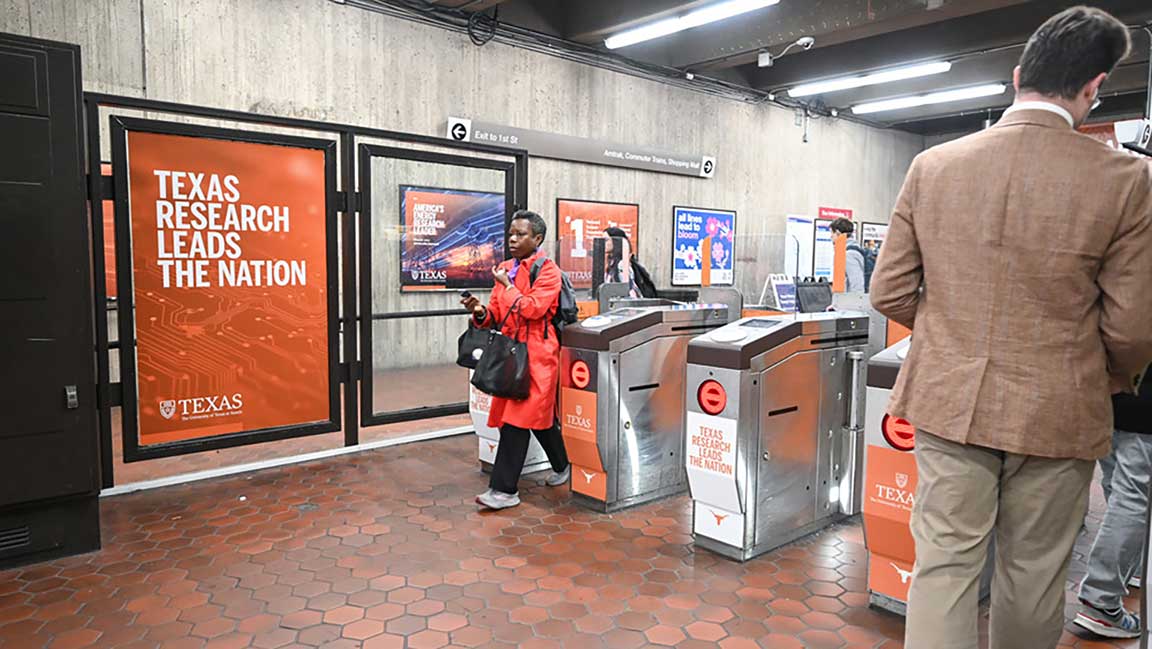
Think of amplification less as the end result and more as the starting point. The goal is to create that first moment where someone notices you, remembers you, or feels something. The amplification comes from what happens after that.
The strongest campaigns are built with that mindset from the start. Instead of just asking, “what does this look like in the real world,” you’re asking, “what happens once someone sees this?” That’s where everything else social, digital, word of mouth starts to come into play. The best work is naturally shareable gives people a reason to engage.
Whether it’s visually interesting, tied to a cultural moment, or just a strong concept, successful IRL campaigns get the audience doing the amplification for you, instead of relying on paid reach alone.
It also comes down to how connected everything is. The idea should feel consistent across every touchpoint, not like separate executions. That’s what makes it stick seeing and experiencing the same idea in different ways, instead of encountering disconnected pieces.
Amplification isn’t something you tack on later. It’s something you build into the idea from the beginning.
Finally, what is something interesting about you that’s NOT work-related?
I spent time working at a world-class fishing resort in Southeast Alaska, at Tanaku Lodge in Elfin Cove. I was out on the boats every day, seven days a week, pulling in 350-pound halibut, 50-pound king salmon, and even world-record rockfish.
I got to guide people from all over the world, which was just as meaningful as the fishing itself. You learn quickly how to read people, think on your feet, and stay calm no matter what the day throws at you. Out there, you don’t get second chances, you figure things out in the moment, and you take ownership of what happens.
It gave me a real respect for the outdoors and the kind of discipline it takes to work in it. You realize pretty quickly that nothing is given to you out there it’s all earned through effort, awareness, and a willingness to push through when things get tough.
It was one of those experiences that sticks with you because of what it teaches you about how you show up, how you think, and what it really means to put in the work.
All of us at OUTFRONT are ready to put in the work to elevate your brand. Contact us today to begin!
Author: Jay Fenster, Senior Manager, Marketing Content @ OUTFRONT
Links to third-party content are not endorsed by OUTFRONT Media. Past performance may not be indicative of future results. OUTFRONT does not guarantee specific results or outcomes.
Relevant OOH Content Straight To Your Inbox
From IRL to URL: Red Wing Goes Viral With Brand-Defining Billboard Campaign

Is This Your Media Buying Blind Spot? President’s Club Honoree Hannah Becker on IRL Brand Experiences

Why Linking IRL to URL Is an Omnichannel Superpower

IRL Advertising Expertise from OUTFRONT’s President’s Club Honoree Jonathan Katz