
The Cryptic Billboard Era: Why Some Of Today’s Best Ads Make No Sense
April 28, 2026
There’s something happening in IRL media right now that’s hard to ignore. You’re starting to see billboards that don’t really explain themselves. Campaigns that feel a little vague on purpose. Creative that only fully clicks if you already know what you’re looking at. And oddly, that’s exactly what makes them work. The phenomenon has been showing up across categories lately, from AI to music to culture. Coachella this year really made it obvious. It feels like we’re in a different kind of moment.
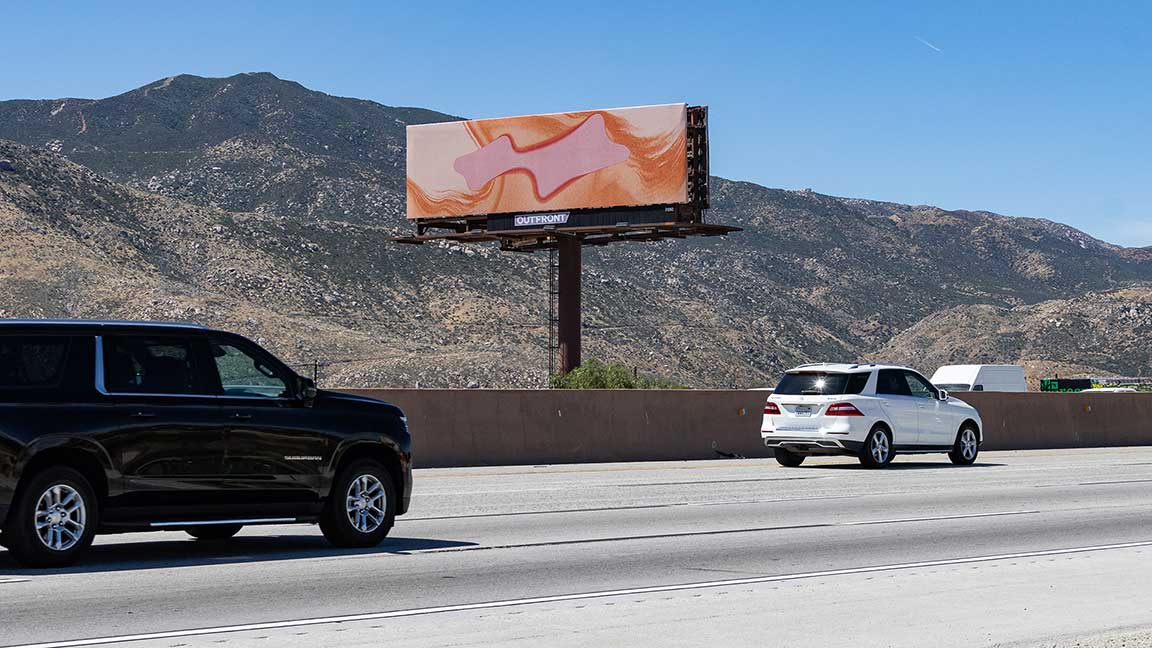
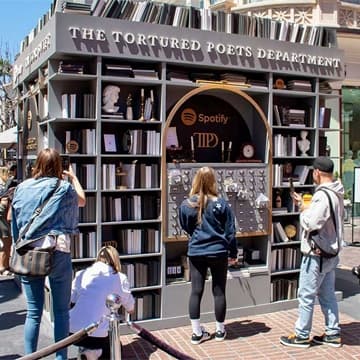
The “if you know, you know” approach isn’t new, but it’s showing up differently right now. Music advertisers have been playing in this space for a while. Think about Justin Bieber putting up billboards that just said “SWAG.” No context, no explanation. It only meant something if you were already paying attention. Same with Taylor Swift and Spotify. They put up boards that looked like code, tied to that sparkling orange and mint palette she had been hinting at before the album drops. If you were a fan, you got it immediately. If you weren’t, it just looked like something intriguing enough to stop and look at. That’s honestly kind of the point.
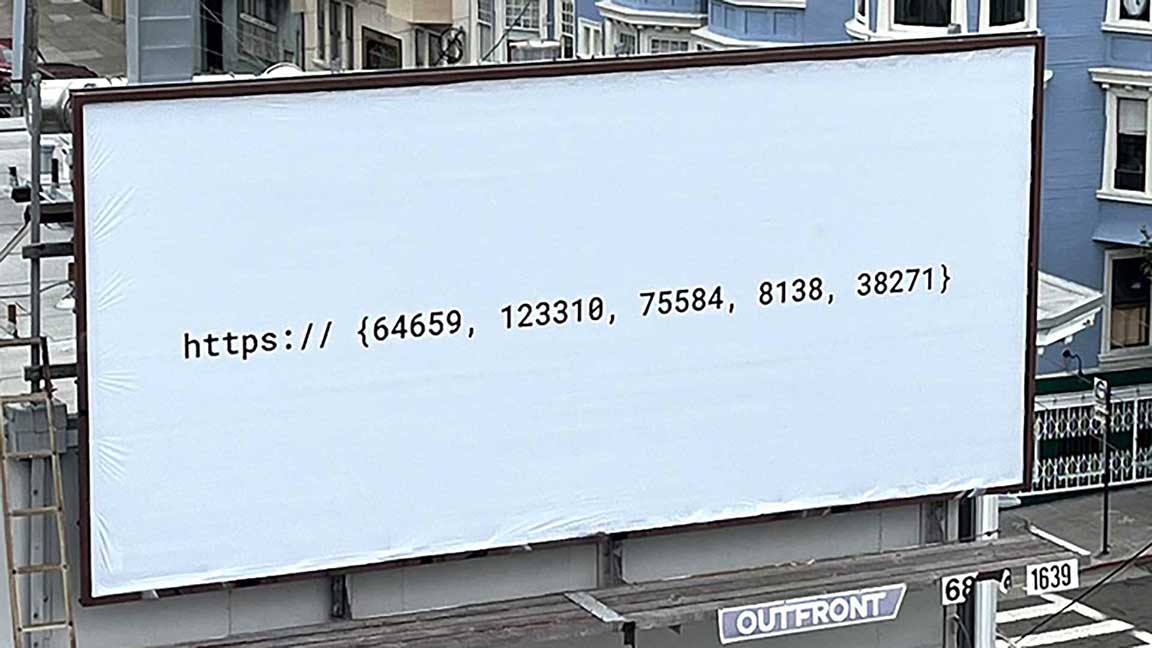
Artificial intelligence advertisers have pushed it even further. A lot of them aren’t even trying to explain what they do. Instead, they’re speaking directly to a very specific audience. One example I keep coming back to is Listen Labs. Its billboard had no logo, no tagline, nothing that looked like a traditional ad but rather just a string of AI tokens. To most people, it probably didn’t register. But for the audience Listen Labs cared about, the ad was something to solve. As the billboard spread across the AI community, people started decoding it, sharing it, and talking about it. And the results Listen Labs reported were awesome:
- 5M+ social impressions
- 10K+ people decoded it
- 1K+ engineers engaged
- $69M+ in Series B funding followed
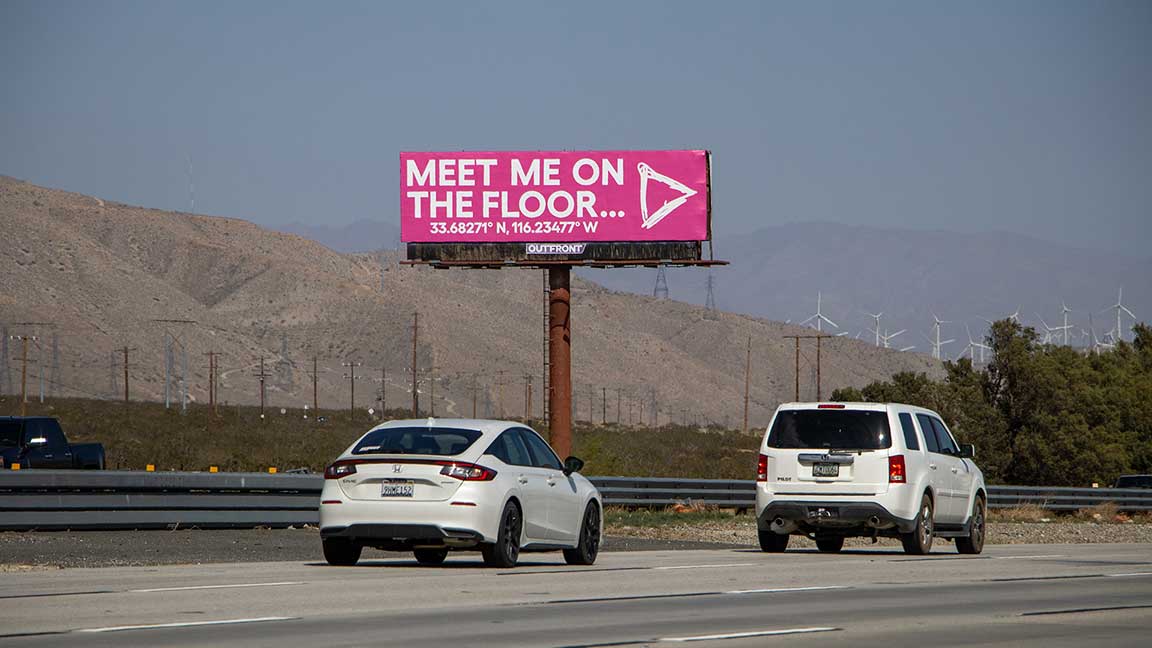
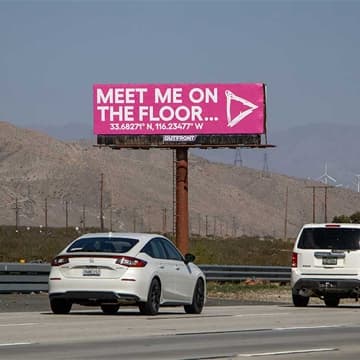
All of this felt even more visible at Coachella. Driving into the desert, what fans saw didn’t feel like traditional advertising but more like a collection of signals. A single word doing all the work. A weird remix of something familiar that made you look twice. Artists referencing their own stories in ways that only their fans would pick up on. None of it was trying to walk you through anything. It assumed that either you understood or would be curious enough to figure it out. The boards made sense if you were already in on the joke. If you weren’t, you still probably pulled out your phone.
At the center of this is a simple shift. People don’t always want things spelled out for them anymore. There’s something more interesting about figuring it out yourself, that feeling like you caught something others might miss. When a message isn’t completely obvious, it creates just enough tension to hold your attention a little longer. You end up with an “in” group that feels seen and an “out” group that leans in out of curiosity, each engaging in different ways.
There’s also a parallel here with influencer marketing. Micro-influencers tend to outperform those with larger followings because they’re speaking to a very specific audience that cares about the subject matter. The more niche the reference, the stronger and more resonant the connection tends to be. These billboards are working the same way. Rather than trying to be universally understood, these billboards are intended to land on target with the right people, who then carry the message further.
This kind of creative works especially well on IRL media formats. You can’t skip IRL media. Even if you see it just for a few seconds, sometimes that’s enough to stick with you. In a space where so much marketing feels over-explained or optimized to the point of sameness, something that makes you pause, even briefly, stands out. There’s also a level of authenticity to it. It feels less manufactured, more real. IRL naturally encourages that.
This doesn’t mean every brand should suddenly go cryptic. But it does raise a better question. Does your audience need everything explained to them? Because more and more, the answer seems to be no. Saying the most isn’t always how brands cut through the noise anymore. The brands that break through are the ones that know exactly what to say, whom to say it to, and how they will respond.
And maybe that’s the shift. Not making sure everyone understands but making sure the right people feel it.
If you know, you know. And now you know!
When you’re ready to get people talking about you, get in touch!
Author: Christine Rose, Senior Marketing Director, West Region @ OUTFRONT
Links to third-party content are not endorsed by OUTFRONT Media. Past performance may not be indicative of future results. OUTFRONT does not guarantee specific results or outcomes.

Relevant OOH Content Straight To Your Inbox
Billboards Are the Real Coachella Influencers
Swiftly Activated: Why OOH Engages Tortured Poets (and Other Music Lovers)
Purchasing the Zeitgeist – Why IRL Out of Home Advertising Is a Real Friend to AI Startups

From Subway Ads to Series B: Why Tech Startups Are Turning to NYC Transit Advertising